美媒:美国中情局在华间谍网被毁 遭数十年来最大损失
作者: 来源:纽约时报
《纽约时报》记者:“特别麻烦的一件事是,我们仍然不知道到底发生了什么。”
美国《纽约时报》20日爆出惊人消息:自2010年起,中国捣毁了美国中情局(CIA)一个在华间谍网,令后者出现数十年来最重大安全漏洞之一。
《纽约时报》报道截图
《纽约时报》称,从2010年末起,中情局隐藏在中国政府内部的多名线人逐步失联。报道称,美国情报系统不能断定失败原因是CIA内部有人“背叛了美国”,还是中国成功“黑”入了中情局与外国线人的联络系统。调查者对失败原因的看法分歧严重,至今也没能最终确定。
《纽约时报》的猛料20日迅速在西方媒体流传,BBC,英国《卫报》等都对“中美谍战”跟进报道。

克危克险:中国重创美国间谍行动?
中美间谍大战一直在演,从未间断。过去N多年里,中国一直处于守势,实力不如人,技艺不如人,道德不如人。改革开放后,这一被动地位在持续改善,并在局部竞争中处于攻势。然而,即使如美媒曝光中国情报战先下一城,中美情报大战临界点远未到来。在未来相当长一段时间里,美国仍处于强势地位,而且,中国将是美国全球情报大战的重中之重。
当地时间2017年5月20日,美国《纽约时报》推出四名记者联袂重磅报道,题为《击毙中央情报局线人,中国重创美国间谍行动》。文章描述,2010~2012年间,美国在中国布置的间谍被大幅度抄底,在华情报网络损失惨重。个中缘由,分两大派观点,情报界至今仍争论不休:要么中国已破解美国秘密情报通道,要么中国在美国卧底泄露了美国在华间谍名单。
文章透露的核心信息包括:其一、2010~2012年前后,中国官场普遍存在“世界末日”之感,认为这个国家没希望了,出现大规模情报交易。其二、也在那几年,美国在华情报线人不断失踪,有的被直接击毙,重要线人损失至少有20名,但2013年后,美国又稳住阵脚,中国破获美谍成功率大幅度下降。其三、美国启动纠错机制,中央情报局与联邦调查联手调查,审核美国驻华大使馆几乎所有人员,曾查出一名华裔叛徒嫌疑人,但没证据做实,此人虽离开中情局,但仍在亚洲自由活动。其四、美国并没停止对华情报作业,而是派老将重臣出马,试图重建在华间谍网络。其五、2015年,中国黑客成功袭击美国政府独立机构“人事管理办公室”,捞到不少干货。
美国媒体报道显示,似乎中国似乎占了上风,但忽视一个重大背景(不排除故意可能性)。那时,中国曾出现一次超级情报大泄露,中国某情报大佬心腹被美国策反,导致中国苦心经营的N个情报网点被迫撤离,中国对美情报作业损失极其惨重。如果中国在此背景下反击或反制美国,放倒美国那么多重要线人,合乎逻辑。
实际上,在这次事件曝光前,在过去近两个月时间里,两国情报界一直在暗战。与中国有关的事件包括:(1)国外情报圈爆料,中国某情报大佬被双规,另有一位被外放,实际已“被退休”;(2)中国产业间谍被列为来自中国最大的安全风险,建议有关人员出差别从中国过境,并要接受完整的中国安全风险教育;(3)“老妈情报”案曝光,美国国务院一位大妈被逮捕,涉嫌向中国传递机密情报,这对母子被中国情报界收买;(4)维基解密曝光中情局网络武器库后,中国情报机构大肆收购类似网络攻击工具,对以色列的产品特别感兴趣;(5)国外间谍让中国头疼,防不胜防,以至于中国政府乱了章法,比如鼓励“朝阳群众”举报间谍,在小学安排抓间谍教学。克危克险安全专家认为,西方炒作此事实际上是说,只有政府专业机构或专业情报公司才能干抓间谍的活,让朝鲜群众或小学生去抓间谍,根本不可能,中国的这种搞法确实有些荒唐。
与美国有关的议题包括:(1)中国某部委司局级官员在大街上被公开拘捕,涉嫌出卖情报;(2)美籍华人李某在上海一落地,就被当地国安局拘捕,被控接受美国政府FBI派遣,搜集中国国防军工情报;(3)美籍越南裔女间谍某某多年前在中国被捕,最近又传出新进展;(4)世界最顶级情报朋友圈“五眼”(Five Eyes),即五个盎格鲁-萨克森国家:美国、加拿大、英国、澳大利亚和新西兰。1989年春夏,这几个兄弟在北京大街小巷分头行动,协调共享中国情报。刚刚,这“五眼”兄弟在新西兰召开秘密会议,被曝光。
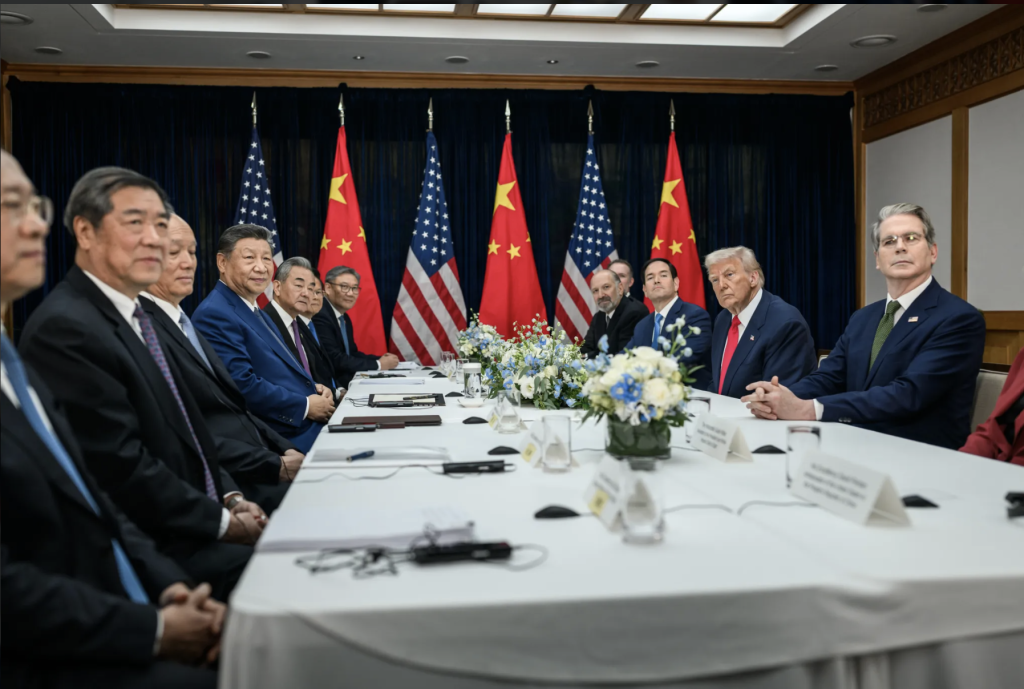
与中美元首峰会后的热线、热络与乐观气氛相比,这种“看不见战线”大斗法,就显得冷心、冷酷与冷战。既然两国元首都这么温暖了,为何还有这么冷的斗法呢?其实不矛盾。
首先,官僚机构惯性运作。“深度国家”所代表的是两国内政中的庞大官僚机器,且一直在按既定力量与惯性运行。只要最高元首的指令没下达到相关层级,“深度国家”就会我行我素,该和则和,该打则打,按既定规矩来,不含糊。这也是职责所在,中美两国都不例外。美国有政令不出白宫,中国有政令不出中南海。
特别是,美国是法治相当完善的联邦制国家,权力并行型,权力制衡有效,政府机构在划定权限范围内运行,要改变状况较为困难。相对的,中国是法治正在完善的共和制国家,权力垂直型,执政党一竿子插到底,具有强大的资源动员能力,要改变状况相对容易。
其次,地缘安全竞争很难跳脱零和游戏。在国际间,地缘安全竞争只有一个法则,以实力为基础的丛林法则。在此法则下,在中美两大国中,但凡涉及国家安全的,都是不可逾越的政治红线。这就意味着,只要有机会防范或打击对手,就会尽力搜集对方情报,打击对方,还会着力反情报,防范对方。在这种背景下,只要发现对方间谍就会用起来,要么抓捕,要么策反,而丝毫不管两国是否友好。当然,两国也有例外的“钓鱼执法”。在中美存在既竞争又合作(竞合)的现实背景下,两国情报与反情报斗争既紧张又激烈,还有可能很刺激,甚至很疯狂。美国有麦肯锡时代,中国有文革时代。
其三,中美竞合既是过去式,也是新常态。只要地缘安全竞争存在,既热络友好又冷酷斗争的竞合状态就会持续,这将成为中美关系新常态,且将持续相当长一段时间。日本、德国与美国关系再友好,也无法进入“五眼”朋友圈。德国总理默克尔、日本首相安倍晋三照样被美国监控监听。可以预见,即使中美关系已出现结构性改变与改善,双方竞合现状也不会改变。中美关系离美日关系很远,离美英关系更远。
最后,中国底线策略应该是,接受竞合,斗而不破。中美关系现在不好不坏,未来也许会更好,也许会更坏,但更坏时最好不要撕破脸,以免两败俱伤,尤其不能伤两国关系基础——民意。现在,美国与俄罗斯关系就因俄干预美国大选而陷入低谷,就连对普京和俄罗斯都十分友好的特朗普政府,都没办法对着民意干。1989年春夏后,美国对中国看法极其负面,至今已近30年,还没完全消除负面影响,今后不应再徒添无谓的反民意负能量。
注:作者为克危克险研究团队,仅代表分析员们的个人立场,授权本公众号独家发表。克危克险是中国本土一家独具特色的新型安全公司,致力于海外安全管理“一站式”服务,主营业务是安全集成服务、情报调查服务。
Killing C.I.A.
Informants, China Crippled U.S. Spying Operations
By MARK MAZZETTI, ADAM GOLDMAN, MICHAEL S. SCHMIDT and MATT APUZZOMAY 20, 2017
WASHINGTON — The Chinese
government systematically dismantled C.I.A. spying operations in the country
starting in 2010, killing or imprisoning more than a dozen sources over two
years and crippling intelligence gathering there for years afterward.
Current and former American
officials described the intelligence breach as one of the worst in decades. It
set off a scramble in Washington’s intelligence and law enforcement agencies to
contain the fallout, but investigators were bitterly divided over the cause.
Some were convinced that a mole within the C.I.A. had betrayed the United
States. Others believed that the Chinese had hacked the covert system the
C.I.A. used to communicate with its foreign sources. Years later, that debate
remains unresolved.
But there was no disagreement
about the damage. From the final weeks of 2010 through the end of 2012,
according to former American officials, the Chinese killed at least a dozen of
the C.I.A.’s sources. According to three of the officials, one was shot in
front of his colleagues in the courtyard of a government building — a message
to others who might have been working for the C.I.A.
Still others were put in jail.
All told, the Chinese killed or imprisoned 18 to 20 of the C.I.A.’s sources in China,
according to two former senior American officials, effectively unraveling a
network that had taken years to build.
Assessing the fallout from an
exposed spy operation can be difficult, but the episode was considered
particularly damaging. The number of American assets lost in China, officials
said, rivaled those lost in the Soviet Union and Russia during the betrayals of
both Aldrich Ames and Robert Hanssen, formerly of the C.I.A. and the F.B.I.,
who divulged intelligence operations to Moscow for years.
The previously unreported
episode shows how successful the Chinese were in disrupting American spying
efforts and stealing secrets years before a well-publicized breach in 2015 gave
Beijing access to thousands of government personnel records, including
intelligence contractors. The C.I.A. considers spying in China one of its top
priorities, but the country’s extensive security apparatus makes it
exceptionally hard for Western spy services to develop sources there.
At a time when the C.I.A. is
trying to figure out how some of its most sensitive documents were leaked onto the internet two months ago
by WikiLeaks, and the F.B.I. investigates possible ties between President
Trump’s campaign and Russia, the unsettled nature of the China investigation
demonstrates the difficulty of conducting counterespionage investigations into
sophisticated spy services like those in Russia and China.
The C.I.A. and the F.B.I. both
declined to comment.
Details about the
investigation have been tightly held. Ten current and former American officials
described the investigation on the condition of anonymity because they did not
want to be identified discussing the information.

The first signs of trouble
emerged in 2010. At the time, the quality of the C.I.A.’s information about the
inner workings of the Chinese government was the best it had been for years,
the result of recruiting sources deep inside the bureaucracy in Beijing, four
former officials said. Some were Chinese nationals who the C.I.A. believed had
become disillusioned with the Chinese government’s corruption.
But by the end of the year,
the flow of information began to dry up. By early 2011, senior agency officers
realized they had a problem: Assets in China, one of their most precious
resources, were disappearing.
The F.B.I. and the C.I.A.
opened a joint investigation run by top counterintelligence officials at both
agencies. Working out of a secret office in Northern Virginia, they began
analyzing every operation being run in Beijing. One former senior American
official said the investigation had been code-named Honey Badger.
As more and more sources
vanished, the operation took on increased urgency. Nearly every employee at the
American Embassy was scrutinized, no matter how high ranking. Some
investigators believed the Chinese had cracked the encrypted method that the
C.I.A. used to communicate with its assets. Others suspected a traitor in the
C.I.A., a theory that agency officials were at first reluctant to embrace — and
that some in both agencies still do not believe.
Their debates were punctuated
with macabre phone calls — “We lost another one” — and urgent questions from
the Obama administration wondering why intelligence about the Chinese had
slowed.
The mole hunt eventually
zeroed in on a former agency operative who had worked in the C.I.A.’s division
overseeing China, believing he was most likely responsible for the crippling
disclosures. But efforts to gather enough evidence to arrest him failed, and he
is now living in another Asian country, current and former officials said.
There was good reason to
suspect an insider, some former officials say. Around that time, Chinese spies
compromised National Security Agency surveillance in Taiwan — an island Beijing
claims is part of China — by infiltrating Taiwanese intelligence, an American
partner, according to two former officials. And the C.I.A. had discovered
Chinese operatives in the agency’s hiring pipeline, according to
officials and court documents.
But the C.I.A.’s top spy
hunter, Mark Kelton, resisted the mole theory, at least initially, former
officials say. Mr. Kelton had been close friends with Brian J. Kelley, a C.I.A. officer who in the
1990s was wrongly suspected by the F.B.I. of being a Russian spy. The real
traitor, it turned out, was Mr. Hanssen. Mr. Kelton often mentioned Mr.
Kelley’s mistreatment in meetings during the China episode, former colleagues
say, and said he would not accuse someone without ironclad evidence.
Those who rejected the mole
theory attributed the losses to sloppy American tradecraft at a time when the
Chinese were becoming better at monitoring American espionage activities in the
country. Some F.B.I. agents became convinced that C.I.A. handlers in Beijing
too often traveled the same routes to the same meeting points, which would have
helped China’s vast surveillance network identify the spies in its midst.

Some officers met their
sources at a restaurant where Chinese agents had planted listening devices,
former officials said, and even the waiters worked for Chinese intelligence.
This carelessness, coupled
with the possibility that the Chinese had hacked the covert communications
channel, would explain many, if not all, of the disappearances and deaths, some
former officials said. Some in the agency, particularly those who had helped
build the spy network, resisted this theory and believed they had been caught
in the middle of a turf war within the C.I.A.
Still, the Chinese picked off
more and more of the agency’s spies, continuing through 2011 and into 2012. As
investigators narrowed the list of suspects with access to the information, they
started focusing on a Chinese-American who had left the C.I.A. shortly before
the intelligence losses began. Some investigators believed he had become
disgruntled and had begun spying for China. One official said the man had
access to the identities of C.I.A. informants and fit all the indicators on a
matrix used to identify espionage threats.
After leaving the C.I.A., the
man decided to remain in Asia with his family and pursue a business
opportunity, which some officials suspect that Chinese intelligence agents had
arranged.
Officials said the F.B.I. and
the C.I.A. lured the man back to the United States around 2012 with a ruse
about a possible contract with the agency, an arrangement common among former
officers. Agents questioned the man, asking why he had decided to stay in Asia,
concerned that he possessed a number of secrets that would be valuable to the
Chinese. It’s not clear whether agents confronted the man about whether he had
spied for China.
The man defended his reasons
for living in Asia and did not admit any wrongdoing, an official said. He then
returned to Asia.
By 2013, the F.B.I. and the
C.I.A. concluded that China’s success in identifying C.I.A. agents had been
blunted — it is not clear how — but the damage had been done.
The C.I.A. has tried to
rebuild its network of spies in China, officials said, an expensive and
time-consuming effort led at one time by the former chief of the East Asia
Division. A former intelligence official said the former chief was particularly
bitter because he had worked with the suspected mole and recruited some of the
spies in China who were ultimately executed.
China has been particularly
aggressive in its espionage in recent years, beyond the breach of the Office of
Personnel Management records in 2015, American officials said. Last year, an
F.B.I. employee pleaded guilty to acting as a Chinese agent for years, passing
sensitive technology information to Beijing in exchange for cash, lavish hotel
rooms during foreign travel and prostitutes.
In March, prosecutors
announced the arrest of a longtime State Department employee, Candace Marie
Claiborne, accused of lying to investigators about her contacts with Chinese
officials. According to the criminal complaint against Ms. Claiborne, who pleaded not guilty, Chinese agents wired
cash into her bank account and showered her with gifts that included an iPhone,
a laptop and tuition at a Chinese fashion school. In addition, according to the
complaint, she received a fully furnished apartment and a stipend.

来源时间:2017/5/21 发布时间:2017/5/21
旧文章ID:13219