点击【这里】查看本站特约撰稿人斯韧2018年评论特朗普2017年美国国家安全战略的文章“三十年河东,三十年河西”。
以下是本站用google翻译的《2025年国家安全战略》的部分段落。
一、
实现这些目标需要调动我们国家的一切资源。然而,这项战略的重点是外交政策。美国的核心外交政策利益是什么?我们希望在世界上获得什么,又希望从世界上获得什么?
我们希望确保西半球保持相对稳定和良好的治理,以防止和阻止大规模移民涌入美国;我们希望西半球各国政府与我们合作,打击毒品恐怖分子、贩毒集团和其他跨国犯罪组织;我们希望西半球免受敌对外国入侵或关键资产的侵占,并支持关键供应链;我们希望确保我们能够继续进入关键战略要地。换句话说,我们将主张并执行门罗主义的“特朗普推论”;
我们希望阻止并扭转外国势力对美国经济造成的持续损害,同时保持印太地区的自由开放,维护所有关键航道的航行自由,并维持安全可靠的供应链和关键物资的供应;
我们希望支持盟友维护欧洲的自由与安全,同时重塑欧洲的文明自信和西方认同;
我们希望阻止敌对势力控制中东及其石油天然气供应,以及这些资源的咽喉要道,同时避免重蹈覆辙,再次陷入令我们在该地区付出巨大代价的“无休止战争”;
并且,我们希望确保美国的技术和标准——尤其是在人工智能、生物技术和量子计算领域——引领世界向前发展。
这些是美国的核心、至关重要的国家利益。虽然我们还有其他利益,但这些利益是我们必须优先关注的,忽视或轻视它们将使我们付出惨痛的代价。
二、
亚洲:赢得经济未来,避免军事对抗
以实力为先导
特朗普总统凭借一己之力扭转了美国三十多年来对中国的错误认知:即通过向中国开放市场、鼓励美国企业在中国投资以及将制造业外包给中国,我们就能帮助中国融入所谓的“基于规则的国际秩序”。然而,事实并非如此。中国变得富裕而强大,并利用其财富和实力获得了巨大的优势。美国精英——在两党连续四届政府中——要么是中国战略的积极推动者,要么是否认现实。
按购买力平价计算,印太地区已占全球GDP的近一半;按名义GDP计算,则占三分之一。这一比例在21世纪必将继续增长。这意味着印太地区已经并将继续成为下个世纪关键的经济和地缘政治战场之一。为了在国内取得成功,我们必须在那里赢得竞争——而我们正在做到这一点。特朗普总统在2025年10月的访问期间签署了多项重要协议,进一步深化了我们在商业、文化、科技和国防领域强大的联系,并重申了我们对自由开放的印太地区的承诺。
美国拥有巨大的优势——世界最强大的经济和军事力量、世界领先的创新能力、无与伦比的“软实力”,以及历史上惠及盟友和伙伴的卓越记录——这些都使我们能够成功参与竞争。特朗普总统正在印太地区构建联盟并加强伙伴关系,这将成为未来长期安全与繁荣的基石。
三、
遏制军事威胁
从长远来看,保持美国的经济和科技优势是遏制和防止大规模军事冲突的最可靠途径。有利的常规军事平衡仍然是战略竞争的重要组成部分。
台湾问题备受关注,这无可厚非,部分原因是台湾在半导体生产领域占据主导地位,但更主要的原因是台湾提供了通往第二岛链的直接通道,并将东北亚和东南亚分割成两个截然不同的战区。鉴于全球三分之一的航运每年都要经过南海,这对美国经济有着重大影响。因此,遏制围绕台湾的冲突,当务之急是保持军事优势。我们还将继续坚持长期以来对台湾的公开声明政策,这意味着美国不支持任何单方面改变台湾海峡现状的行为。
我们将建立一支能够阻止第一岛链任何地区侵略行为的军队。但美国军队不能,也不应该独自承担这项任务。我们的盟友必须加大投入,更重要的是,必须切实履行承诺,为集体防御做出更多贡献。美国的外交努力应着重于敦促第一岛链的盟友和伙伴允许美军更广泛地使用其港口和其他设施,增加自身国防开支,尤其要投资于旨在威慑侵略的能力建设。这将使第一岛链沿线的海上安全问题相互关联,同时增强美国及其盟友阻止任何企图夺取台湾或形成对我们极为不利的军事力量平衡(以致于我们无法保卫台湾)的能力。
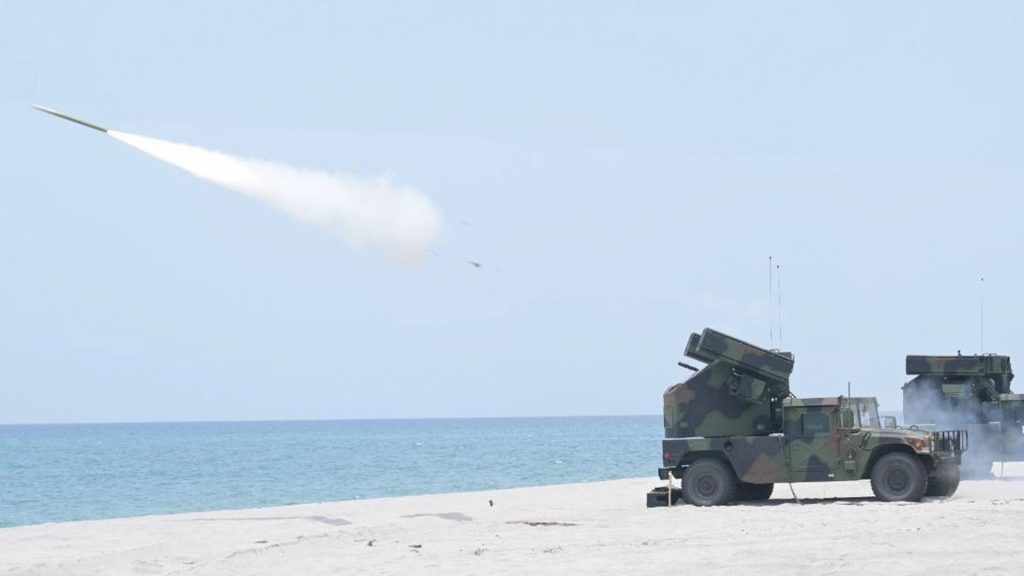
另一个相关的安全挑战是任何竞争对手都有可能控制南海。这可能使潜在的敌对势力得以对世界上最重要的商业航道之一征收通行费,或者更糟糕的是,随意关闭和重新开放该航道。这两种结果都将损害美国经济和更广泛的美国利益。必须制定强有力的措施,并辅以必要的威慑力量,以确保这些航道畅通无阻,不受任何一国的任意关闭。这不仅需要加大对军事(尤其是海军)能力的投入,还需要与所有可能因此遭受损失的国家(从印度到日本,乃至更远的国家)开展密切合作。鉴于特朗普总统坚持要求日本和韩国承担更多责任,我们必须敦促两国增加国防开支,重点发展威慑对手和保护第一岛链所需的能力(包括新型能力)。我们还将加强在西太平洋的军事存在,同时在与台湾和澳大利亚的交往中,我们将继续坚持增加国防开支的坚定立场。
防止冲突需要在印太地区保持高度警惕,重振国防工业基础,加大自身及盟友和伙伴的军事投入,并在长期经济和技术竞争中取得胜利。
Achieving these goals requires marshaling every resource of our national power. Yet this strategy’s focus is foreign policy. What are America’s core foreign policy interests? What do we want in and from the world?
- We want to ensure that the Western Hemisphere remains reasonably stable and well-governed enough to prevent and discourage mass migration to the United States; we want a Hemisphere whose governments cooperate with us against narco-terrorists, cartels, and other transnational criminal organizations; we want a Hemisphere that remains free of hostile foreign incursion or ownership of key assets, and that supports critical supply chains; and we want to ensure our continued access to key strategic locations. In other words, we will assert and enforce a “Trump Corollary” to the Monroe Doctrine;
- We want to halt and reverse the ongoing damage that foreign actors inflict on the American economy while keeping the Indo-Pacific free and open, preserving freedom of navigation in all crucial sea lanes, and maintaining secure and reliable supply chains and access to critical materials;
- We want to support our allies in preserving the freedom and security of Europe, while restoring Europe’s civilizational self-confidence and Western identity;
- We want to prevent an adversarial power from dominating the Middle East, its oil and gas supplies, and the chokepoints through which they pass while avoiding the “forever wars” that bogged us down in that region at great cost; and
- We want to ensure that U.S. technology and U.S. standards—particularly in AI, biotech, and quantum computing—drive the world forward. These are the United States’ core, vital national interests.
While we also have others, these are the interests we must focus on above all others, and that we ignore or neglect at our peril.
Asia: Win the Economic Future, Prevent Military Confrontation
Leading from a Position of Strength
President Trump single-handedly reversed more than three decades of mistaken American assumptions about China: namely, that by opening our markets to China, encouraging American business to invest in China, and outsourcing our manufacturing to China, we would facilitate China’s entry into the so-called “rules-based international order.” This did not happen. China got rich and powerful, and used its wealth and power to its considerable advantage. American elites—over four successive administrations of both political parties—were either willing enablers of China’s strategy or in denial.
The Indo-Pacific is already the source of almost half the world’s GDP based on purchasing power parity (PPP), and one third based on nominal GDP. That share is certain to grow over the 21st century. Which means that the Indo-Pacific is already and will continue to be among the next century’s key economic and geopolitical battlegrounds. To thrive at home, we must successfully compete there—and we are. President Trump signed major agreements during his October 2025 travels that further deepen our powerful ties of commerce, culture, technology, and defense, and reaffirm our commitment to a free and open Indo-Pacific.
America retains tremendous assets—the world’s strongest economy and military, world-beating innovation, unrivaled “soft power,” and a historic record of benefiting our allies and partners—that enable us to compete successfully. President Trump is building alliances and strengthening partnerships in the IndoPacific that will be the bedrock of security and prosperity long into the future.
Deterring Military Threats
In the long term, maintaining American economic and technological preeminence is the surest way to deter and prevent a large-scale military conflict. A favorable conventional military balance remains an essential component of strategic competition.
There is, rightly, much focus on Taiwan, partly because of Taiwan’s dominance of semiconductor production, but mostly because Taiwan provides direct access to the Second Island Chain and splits Northeast and Southeast Asia into two distinct theaters. Given that one-third of global shipping passes annually through the South China Sea, this has major implications for the U.S. economy. Hence deterring a conflict over Taiwan, ideally by preserving military overmatch, is a priority. We will also maintain our longstanding declaratory policy on Taiwan, meaning that the United States does not support any unilateral change to the status quo in the Taiwan Strait.
We will build a military capable of denying aggression anywhere in the First Island Chain. But the American military cannot, and should not have to, do this alone. Our allies must step up and spend—and more importantly do—much more for collective defense. America’s diplomatic efforts should focus on pressing our First Island Chain allies and partners to allow the U.S. military greater access to their ports and other facilities, to spend more on their own defense, and most importantly to invest in capabilities aimed at deterring aggression. This will interlink maritime security issues along the First Island Chain while reinforcing U.S. and allies’ capacity to deny any attempt to seize Taiwan or achieve a balance of forces so unfavorable to us as to make defending that island impossible.
A related security challenge is the potential for any competitor to control the South China Sea. This could allow a potentially hostile power to impose a toll system over one of the world’s most vital lanes of commerce or—worse—to close and reopen it at will. Either of those two outcomes would be harmful to the U.S. economy and broader U.S. interests. Strong measures must be developed along with the deterrence necessary to keep those lanes open, free of “tolls,” and not subject to arbitrary closure by one country. This will require not just further investment in our military—especially naval—capabilities, but also strong cooperation with every nation that stands to suffer, from India to Japan and beyond, if this problem is not addressed. Given President Trump’s insistence on increased burden-sharing from Japan and South Korea, we must urge these countries to increase defense spending, with a focus on the capabilities—including new capabilities—necessary to deter adversaries and protect the First Island Chain. We will also harden and strengthen our military presence in the Western Pacific, while in our dealings with Taiwan and Australia we maintain our determined rhetoric on increased defense spending.
Preventing conflict requires a vigilant posture in the Indo-Pacific, a renewed defense industrial base, greater military investment from ourselves and from allies and partners, and winning the economic and technological competition over the long term.